
Fatherhood Matters More Than We Ever Realized
A recent New York Times article highlighting new research from Penn State caught my attention because it validates something I have witnessed throughout my career as a physician and in my personal life as a father of three children: fathers play a profound role in the long-term health and well-being of their children.
For decades, much of the conversation around child development focused primarily on mothers. While mothers are undeniably important, this new research reminds us that fathers matter too—perhaps more than we previously understood. The study suggests that a father’s early engagement can influence not only a child’s emotional development but also measurable physical health outcomes later in life, including markers associated with heart disease and diabetes.
As a physician, I find these findings fascinating. As a father, I find them deeply meaningful.
Over the years, I have come to appreciate that raising children is not about being perfect. It is about being present. Looking back, I know there were moments when I could have done things differently, moments when work, responsibilities, and life’s demands competed for my attention. Yet I also know that the simple act of showing up – listening, supporting, encouraging, and loving our children- has a lasting impact that often extends far beyond what we can see in the moment.
What stands out most about this research is that it is not about blame. It is not about saying fathers are responsible for everything that goes wrong, nor does it diminish the role of mothers. Rather, it expands our understanding of how deeply connected family relationships are to health.
In integrative medicine, we often speak about the interconnectedness of body, mind, and spirit. What we sometimes overlook is that relationships are one of the most powerful forces shaping all three. Children do not simply inherit genes. They inherit emotional environments. They absorb stress, resilience, communication patterns, and a sense of safety from the people who raise them.
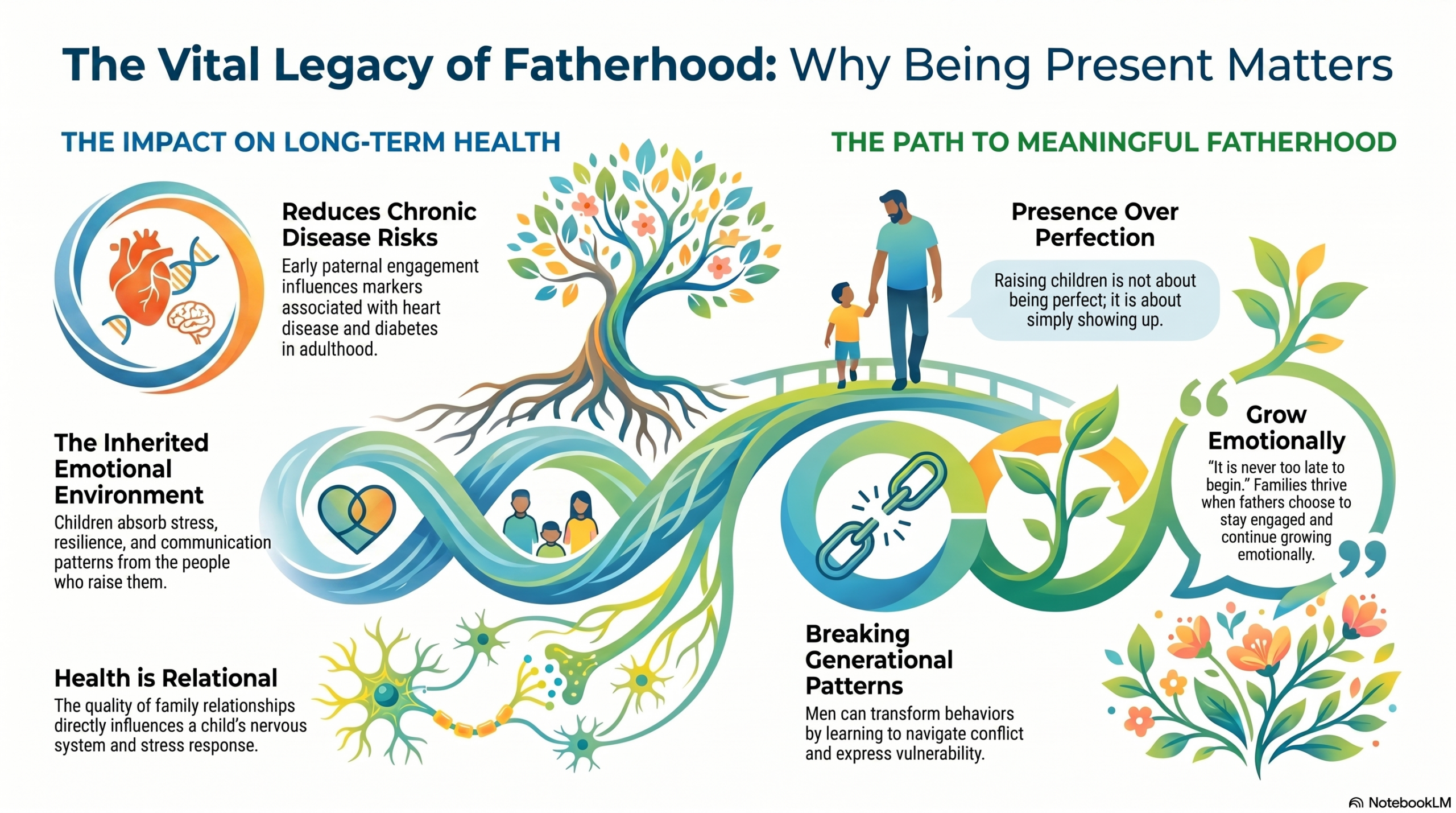
Many men today are doing the best they can with the tools they were given. The challenge is that many were never taught how to be emotionally present. They may not have learned how to navigate conflict constructively, express vulnerability, regulate stress, or remain connected when life becomes overwhelming. That is not a character flaw. It is often the result of generational patterns that were passed down without awareness.
The good news is that human beings have an extraordinary capacity to grow and change.
Throughout my years of practice, I have seen people transform long-standing behaviors when they are given the right support and a willingness to learn. Fathers who become more emotionally available often discover that their relationships improve, family stress decreases, and their children become more secure and resilient.
What this research ultimately reinforces is a principle that extends far beyond fatherhood: health is relational. The quality of our relationships influences our nervous system, our stress response, our emotional resilience, and ultimately our physical health.
For fathers reading this, my message is simple:
- You do not have to be perfect.
- You do not need to have had a perfect role model.
- You do not have to carry the weight of the past forever.
What matters is your willingness to show up, stay engaged, and continue growing.
Science is finally catching up to what many families have known intuitively for generations: when fathers are present, connected, and emotionally healthy, families thrive. And when families thrive, children flourish. not only emotionally, but physically as well.
Perhaps the most hopeful message of all is this: it is never too late to begin.
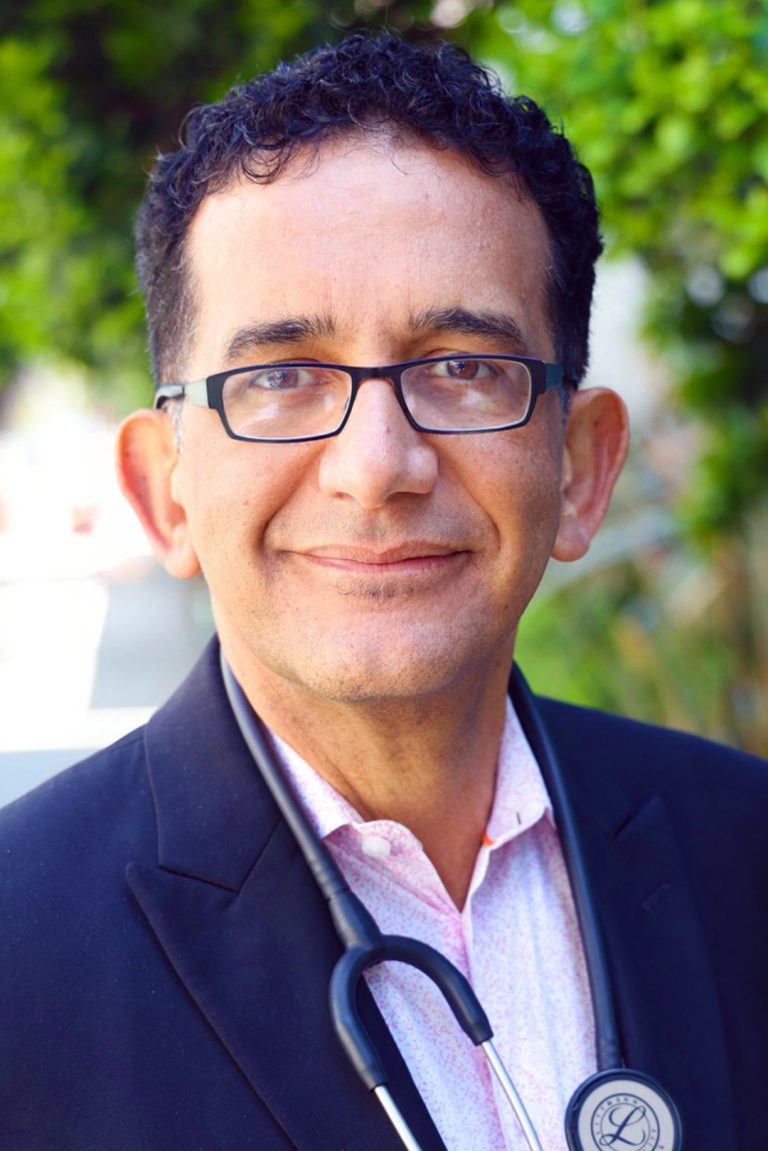
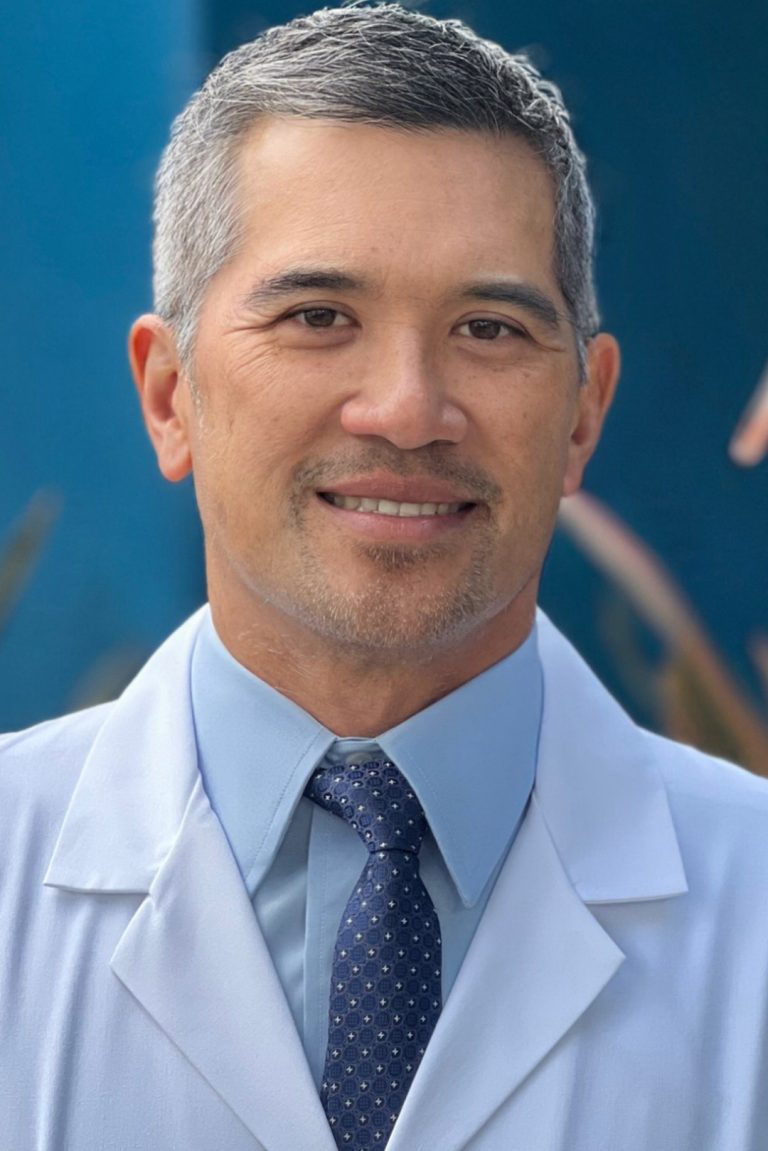
Edison de Mello, MD, PhD
Father, Physician, author – and Lifelong Student of Human Connection
Dr. de Mello’s signature philosophy is simple but powerful: we meet our patients before we meet their diseases. His work focuses on identifying the root causes of illness by integrating conventional medicine with nutrition, lifestyle medicine, and mind–body approaches. His mission at the Akasha Center iis reflected in the guiding principle: “A Better Way to Get Better.”